Arroz al Horno

Learn how to make traditional arroz al horno, made with homemade broth, pork, chickpeas, and potatoes, just like it’s cooked in Valencian homes.
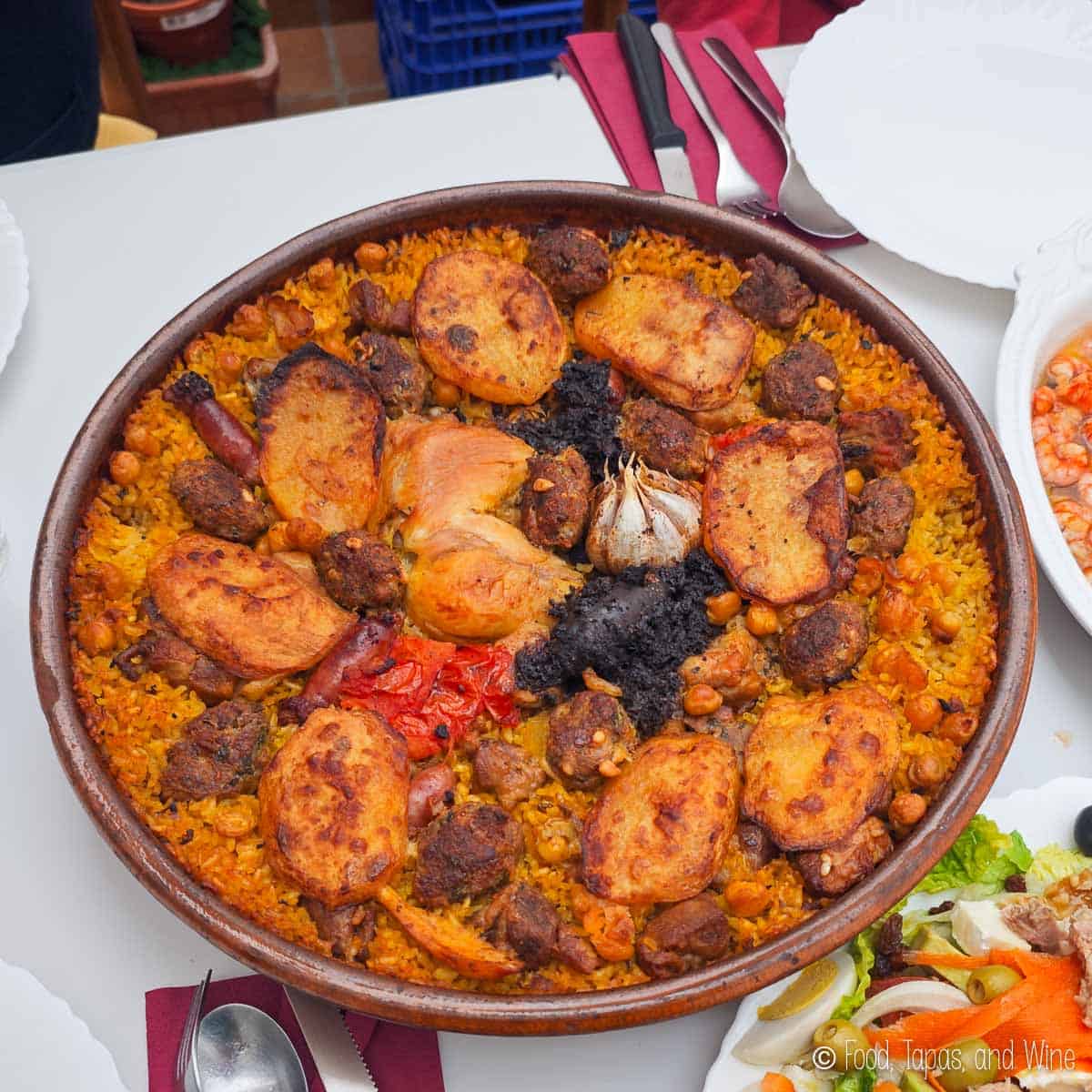
Arroz al horno is one of my favorite foods. I’ve had it in restaurants before, and while the idea is always the same, it can turn out very differently depending on who makes it.
Nowadays, most places use bright artificial colorings that make the rice look almost radioactive. It doesn’t look very natural, and honestly, we don’t like it that way.
My grandmother’s version is completely different. It has a more natural color and a deeper flavor, partly because she actually uses saffron. That’s becoming less common these days, even in Spain, where a lot of people use coloring instead because it’s cheaper and easier.
Her arroz al horno just tastes better overall.
I wanted to understand what made it so good, so I went to her house and watched her make it step by step. She doesn’t measure things exactly, but she knows what she’s doing.
Watch How My Grandmother Makes Arroz al Horno
What is arroz al horno?
Arroz al horno is a traditional rice dish from Valencia. Instead of cooking it on the stove like paella, you finish it in the oven.
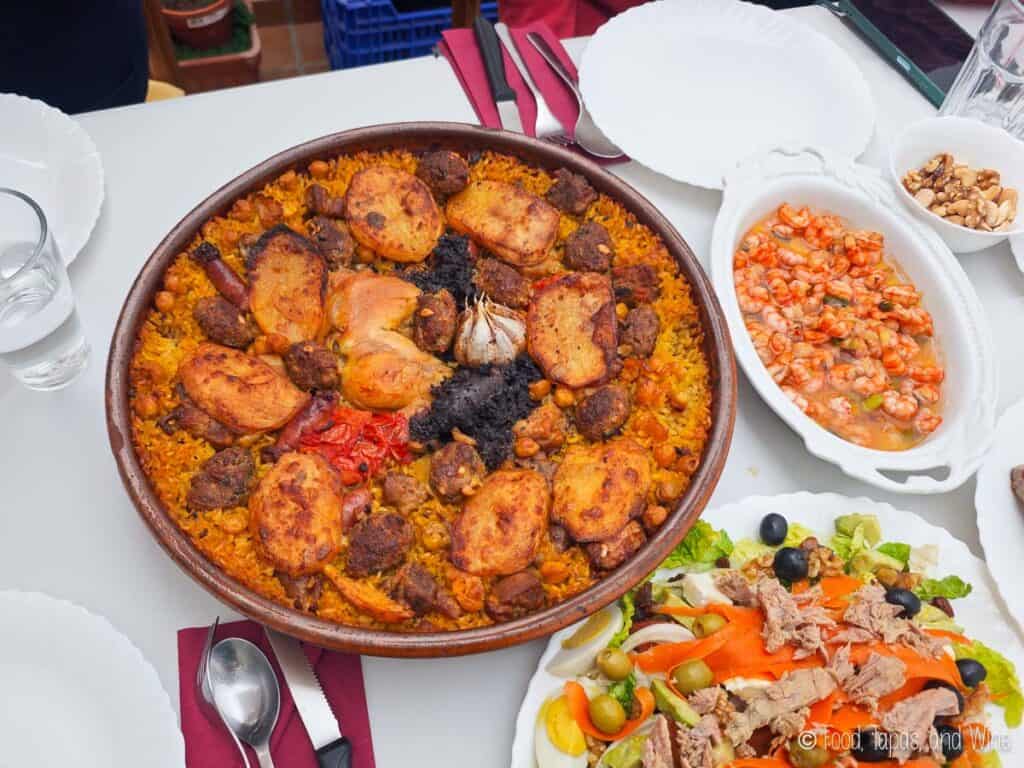
It’s usually made with rice, a strong meat broth, chickpeas, pork, sausages, potatoes, and a whole head of garlic in the middle. Everything cooks together until the rice absorbs the broth and the top gets slightly crispy.
It’s a pretty typical home dish here. A lot of people make it using leftover broth, so it can taste a bit different depending on who makes it.
Every family has their own version. This is how my grandmother makes it, and that’s how I like it.
Ingredients
The ingredients are pretty simple, and you probably have most of them at home.
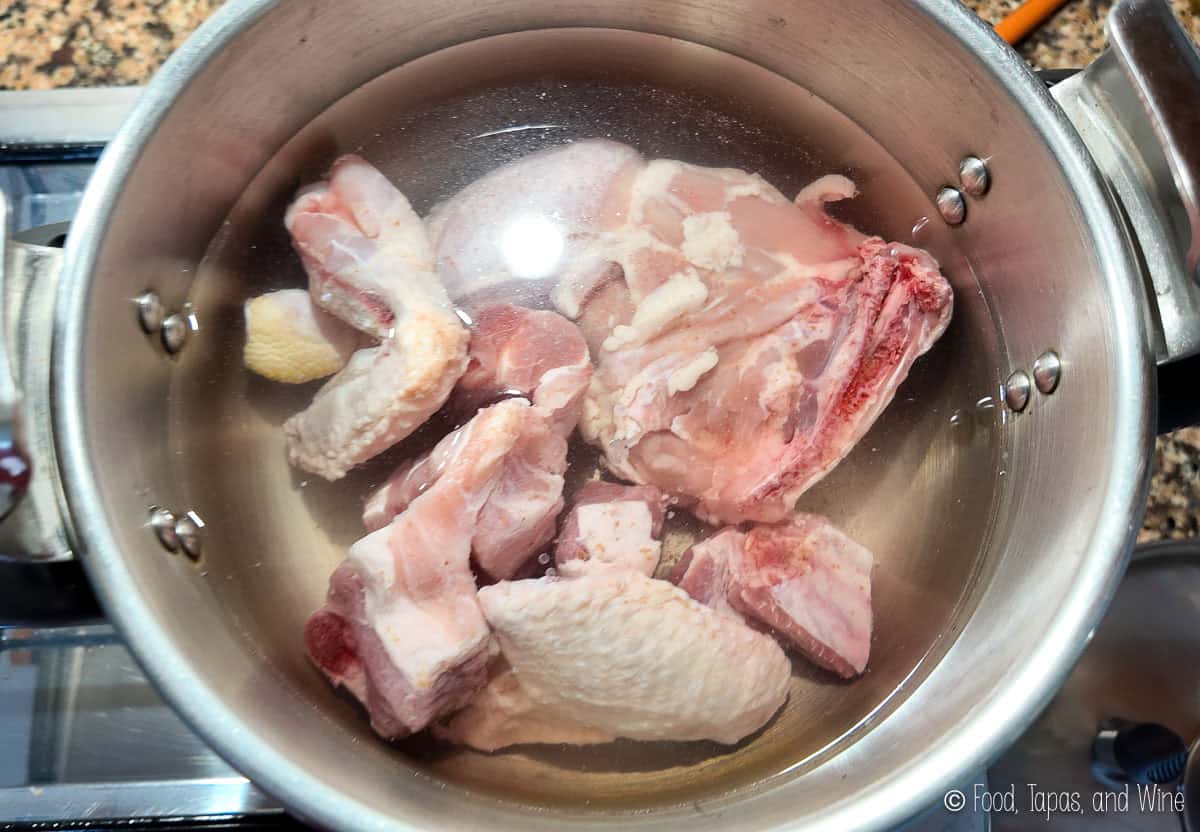
For the broth, you start with a mix of chicken and pork. In our case, she used a whole chicken leg (thigh and drumstick), a couple of wings, and some pork ribs cut into chunks. This gives the broth most of its flavor.
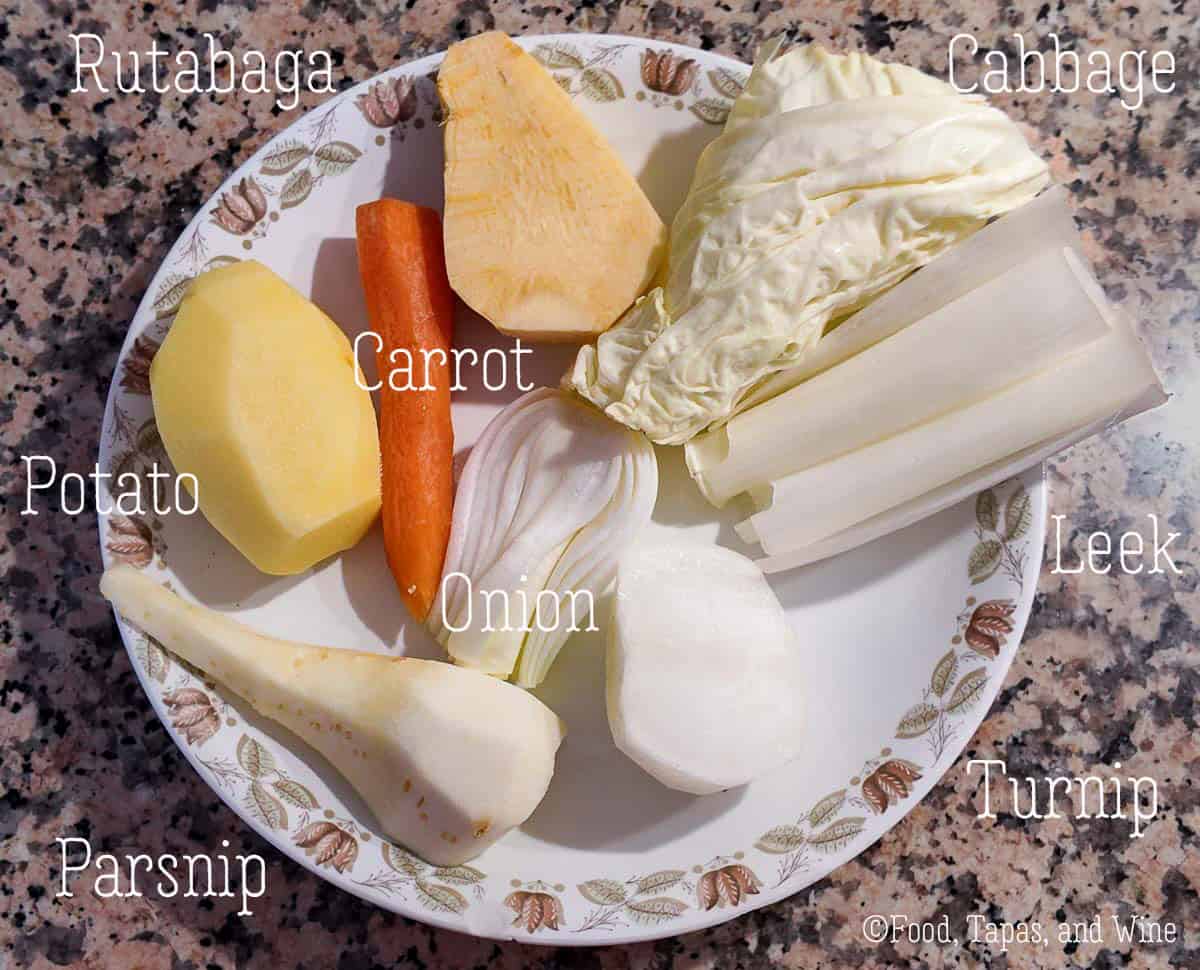
Once that’s started, you add the vegetables: carrot, parsnip, potatoes, turnip, rutabaga (Which I didn’t know it was a thing until now…), leek, cabbage, and an onion. These are mainly there to flavor the broth and won’t be used at the end, but it gives the broth extra flavor.
While the broth is cooking, you can prepare these meatballs, that my grandmother always makes. They’re optional, but they are really good and I like them a lot.
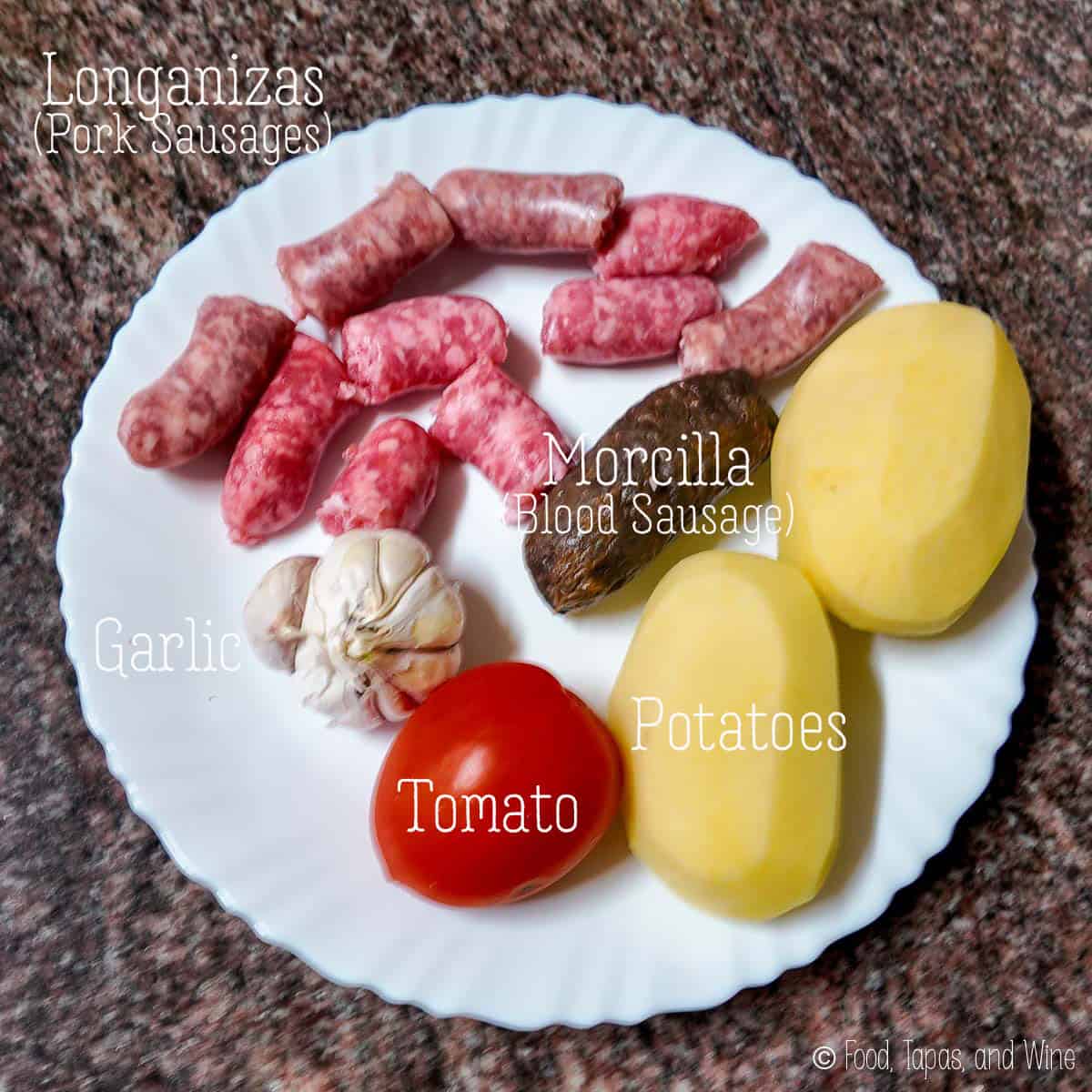
Then there are the ingredients that go into the rice itself. This includes sausages, morcilla, sliced potatoes, a whole head of garlic, a tomato, and the meatballs that I talked about earlier. Then my grandma lightly fried everything before it goes into the oven.
Finally, you have the rice, chickpeas, olive oil, and the broth. The rice absorbs all the flavor from the broth while it cooks, so even though everything starts separately, it all comes together in the end.
How my grandmother makes arroz al horno
Make the broth
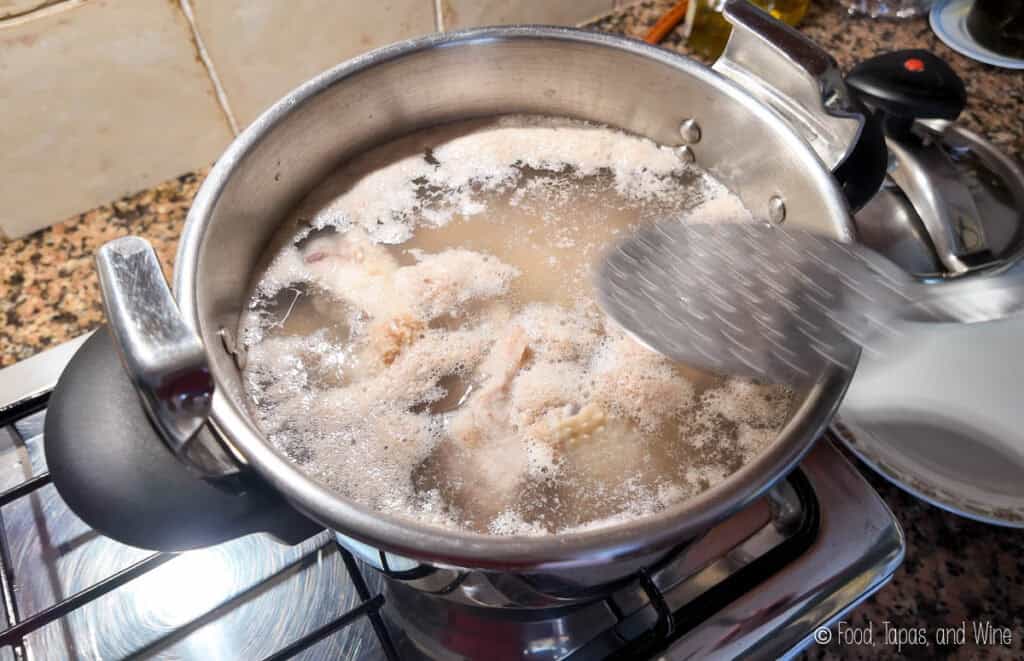
Start by adding the chicken and pork ribs to a pot of water and bring it to a boil over high heat.
As it heats up, foam will form on top. Skim it off with a spoon until it mostly stops appearing.
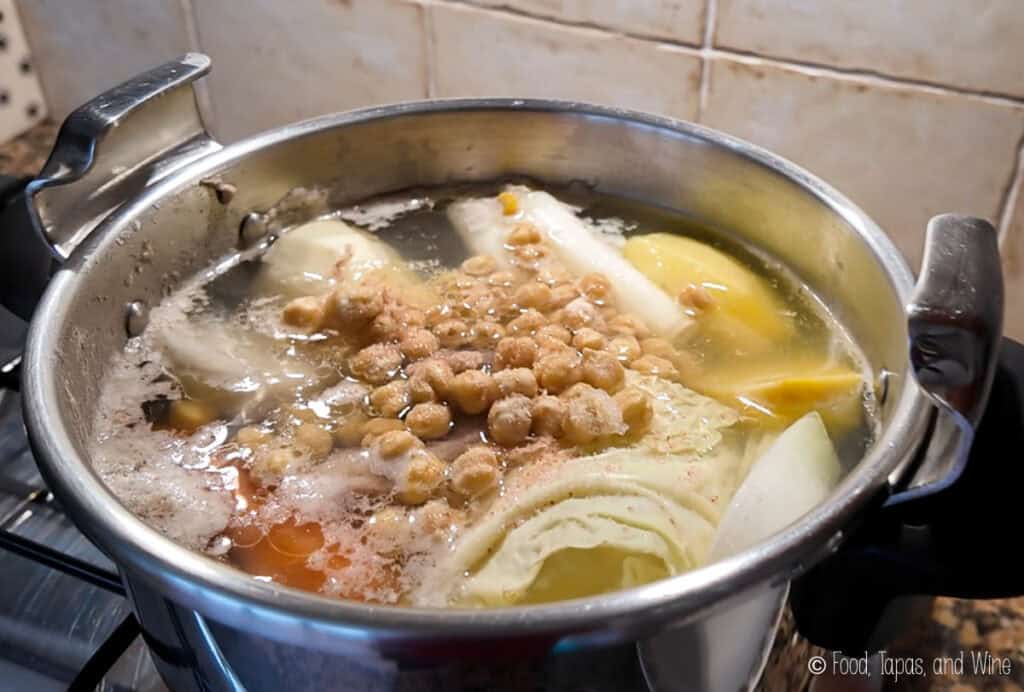
Once that’s done, add the veggies (carrot, parsnip, potato, turnip, rutabaga, leek, cabbage, and onion), along with some pre-soaked chickpeas and some salt, I personally don’t like chickpeas, but my grandmother likes them (I think).
Close the pressure cooker and cook for about 20–30 minutes. Lower the heat slightly so the pressure valve doesn’t spinning too fast.
When it’s done, turn off the heat and let the pressure release before opening.
Prepare the broth
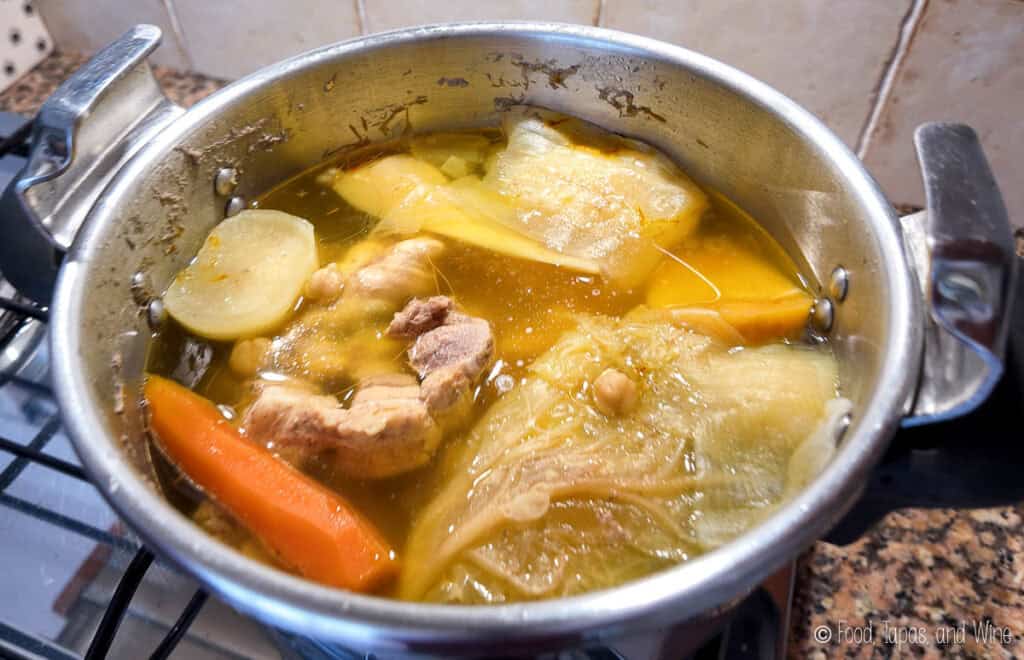
Remove the vegetables from the broth and set them aside because they were only for flavor. Leave the chickpeas and some of the meat in the broth. This will be added to the rice afterwards.
Taste the broth. If it doesn’t taste good, then the rice won’t either. Add salt if it needs it.
For about 420 g of rice, you’ll need about 1 liter of broth (a little more or less is fine). This makes about 4 servings.
Prepare and fry the other ingredients
While the broth is cooking, start preparing the rest.
Slice the potatoes, leave the garlic head whole, and cut the tomato.
In a pan with olive oil, fry the potato slices until lightly golden. Set them aside.
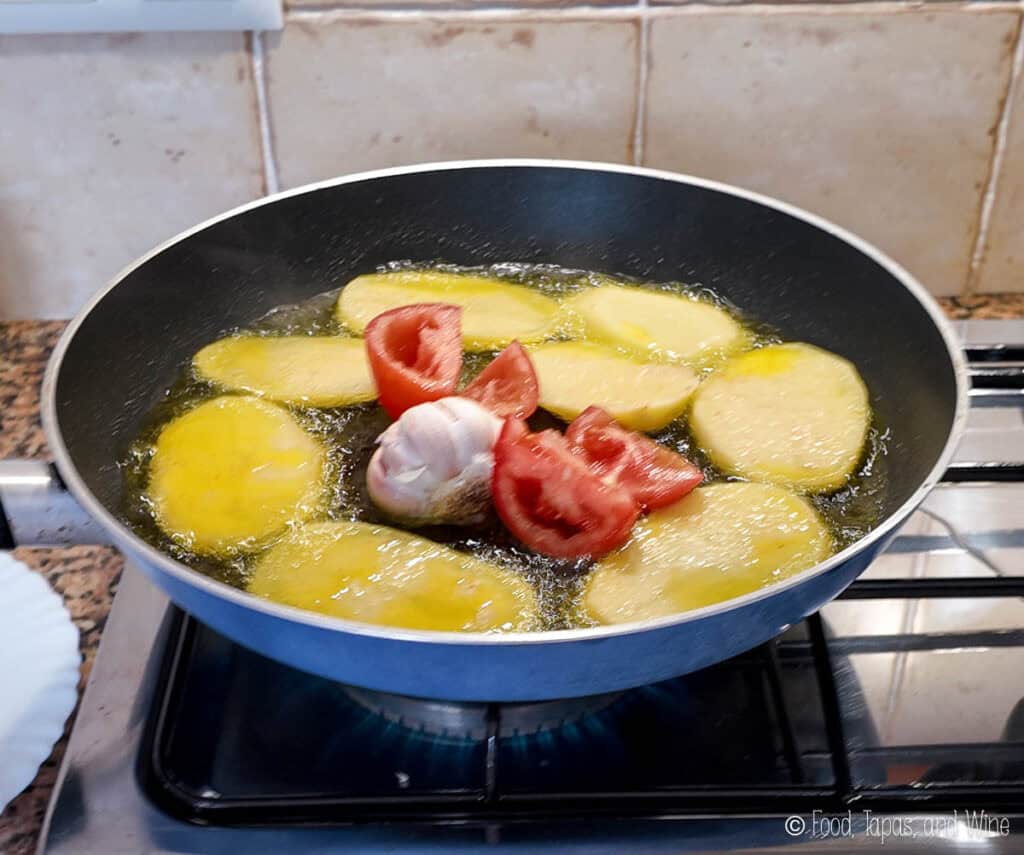
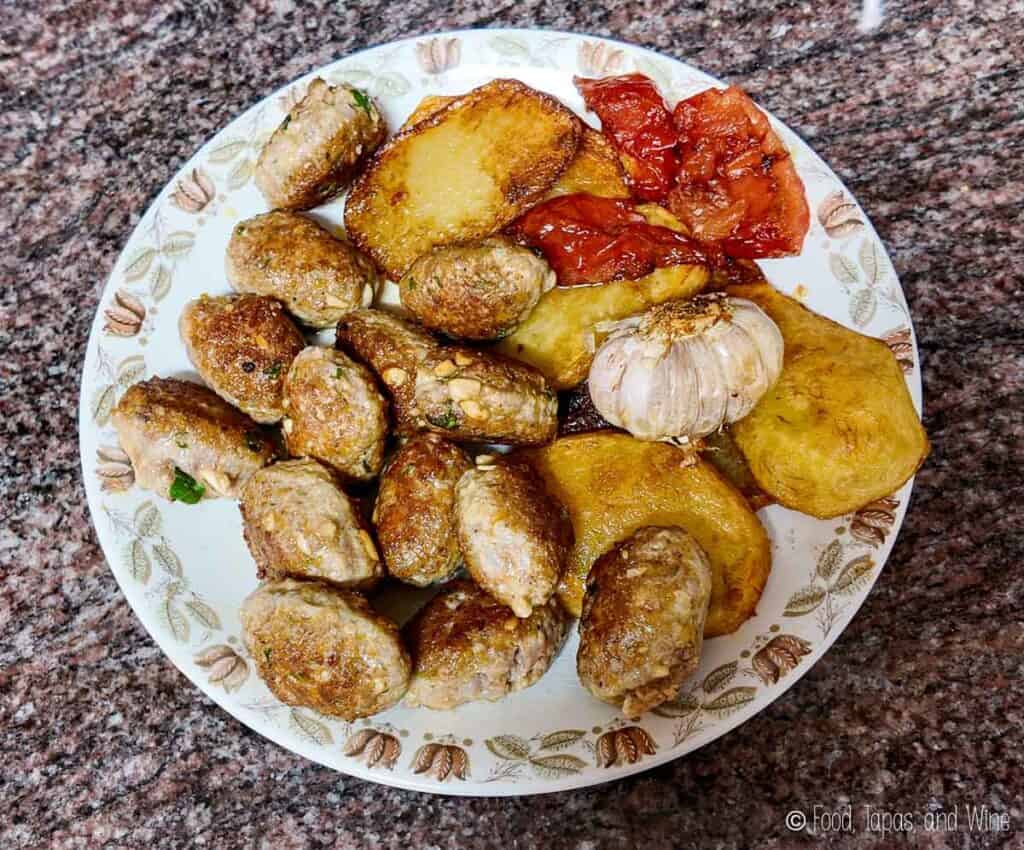
Then fry the rest of the ingredients:
- Panceta (pork belly)
- Pork shoulder pieces (cabeza de lomo)
- Sausages (like longaniza)
- Morcilla
- Meatballs (optional)
- Garlic head
- Tomato pieces
You don’t need to fully cook everything. It’s to make sure that it cooks all the way in the oven.
Toast the rice
Using some of the same oil, add the rice to the pan with a few of the pork shoulder pieces and a bit of paprika.
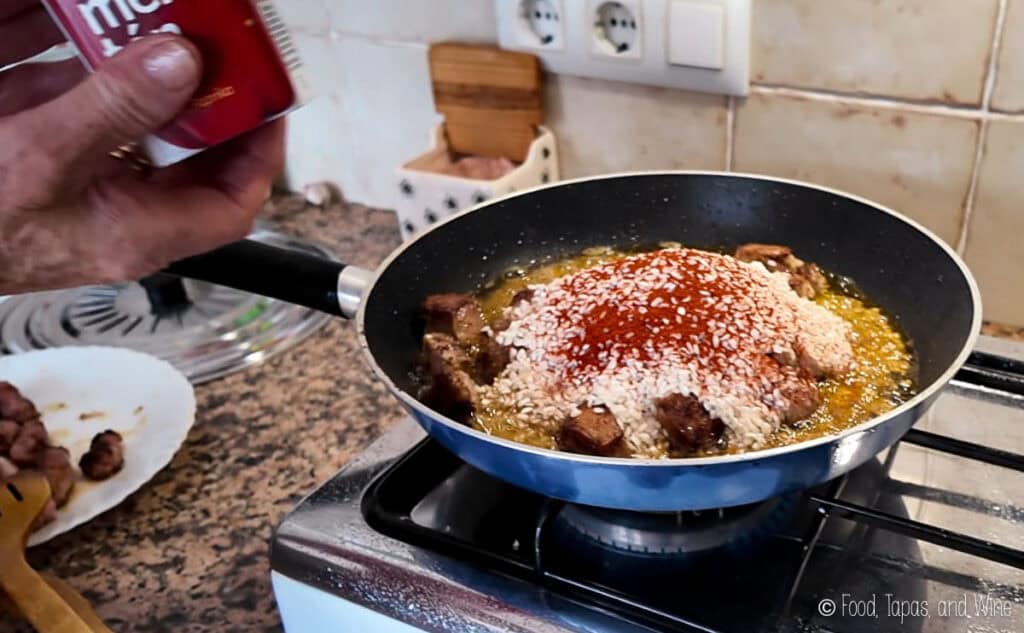
Stir it briefly to lightly toast the rice. This makes it a lot better.
Put everything together
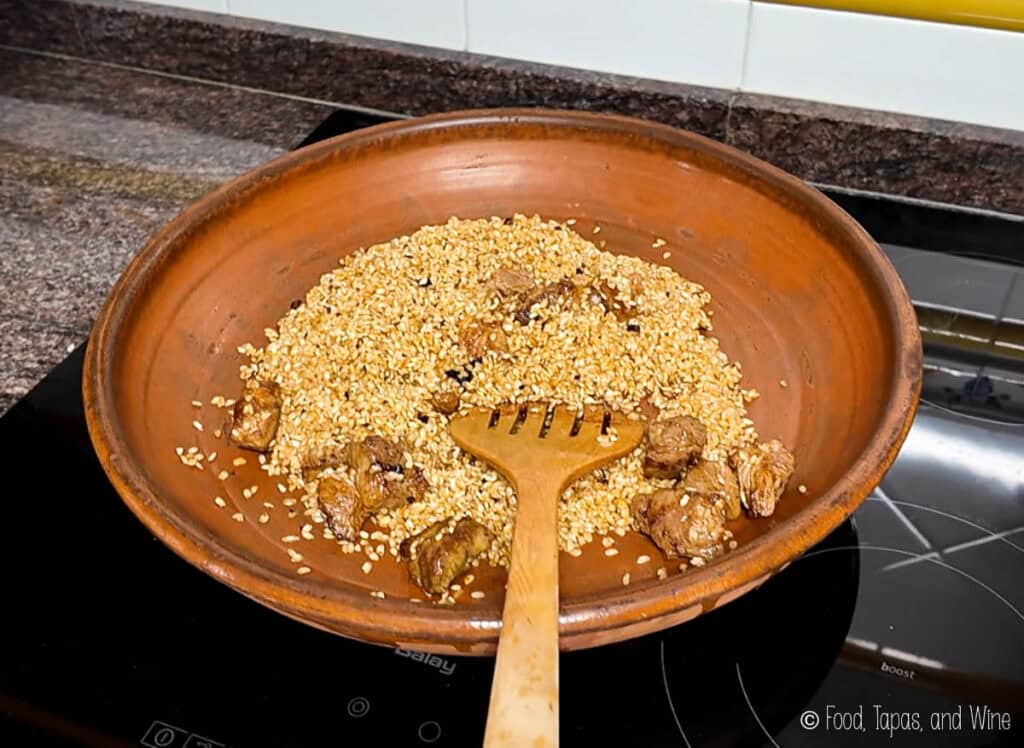
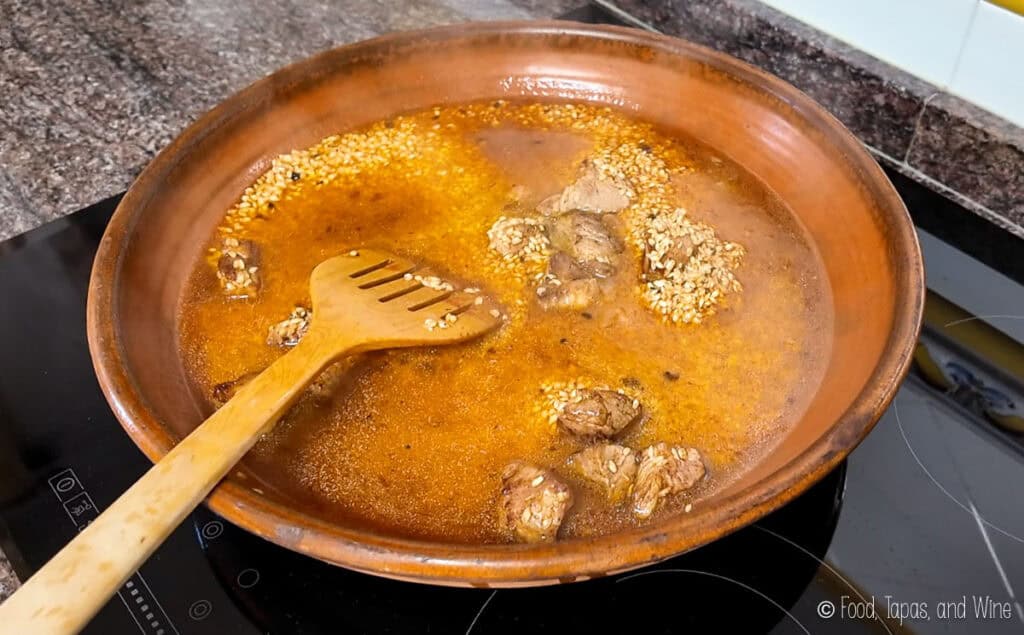
Preheat the oven to 240°C / 465ºF.
Add the rice and pork pieces to a ceramic or oven-safe dish.
Pour the broth over the rice, including the chickpeas and the meat that were left in the pot. Spread everything out evenly.
Add the larger pieces of meat (like the chicken leg and pork) and arrange them across the dish.
Then add the rest of the ingredients:
- Sausages and morcilla
- Meatballs
- Sliced potatoes
- Garlic head in the center
- Tomato pieces
Spread everything out so it cooks evenly.
Bake and serve
Bake for about 20–30 minutes, until the liquid is absorbed and the top is slightly crispy.
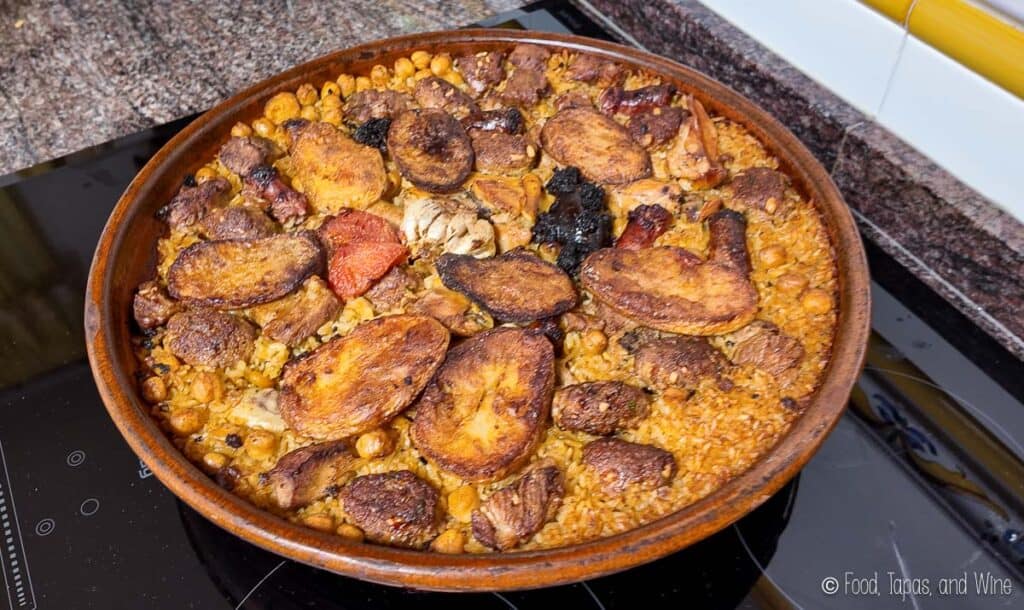
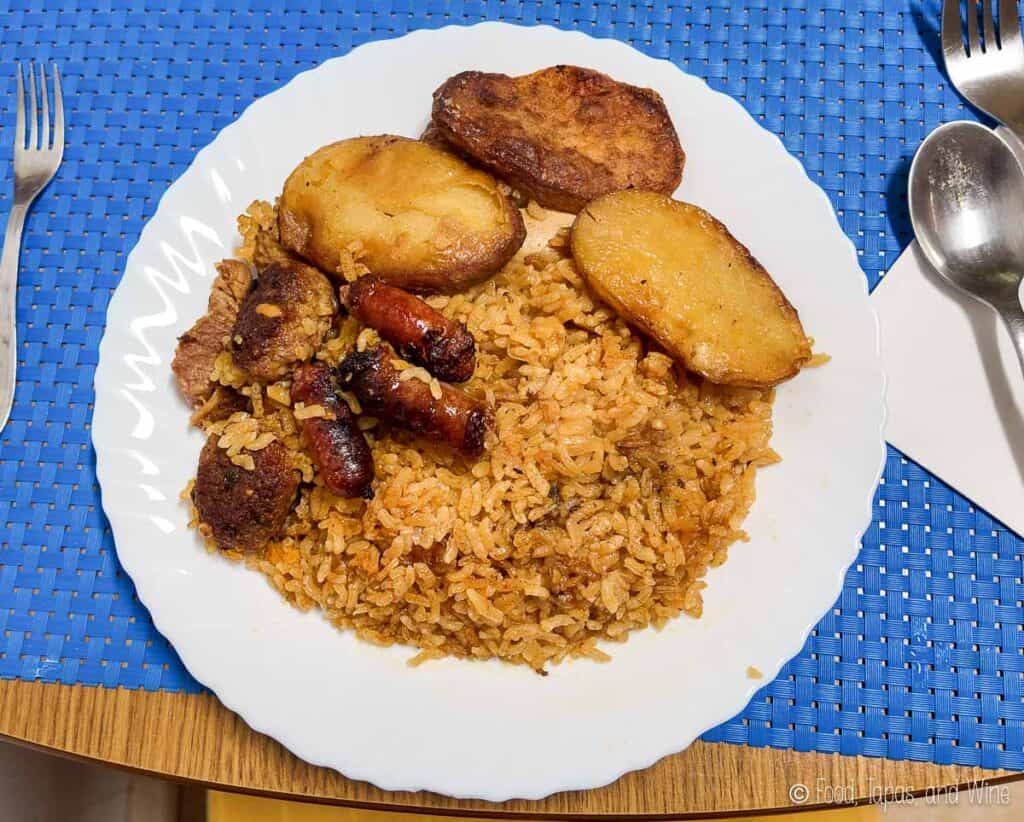
Let it rest for a few minutes before serving so you don’t burn yourself.
Some good tips
Taste the broth before you use it
The rice absorbs the broth as it cooks, so if the broth is bland, the whole dish will be bland. Taste it and add more or less salt before adding it to the rice.
Don’t skip frying the ingredients
Lightly frying the meat, potatoes, garlic, and tomato makes it so it brings out some of the flavors and cooks better.
Lightly toast the rice
Before assembling everything, the rice should be cooked in oil with some of the pork and paprika.
Use the right amount of broth
If you add too much broth the rice can turn out soft. Too little and it may not cook evenly. A good starting point is about 2 parts broth to 1 part rice, but it doesn’t have to be exact.
Don’t stir it in the oven
Once everything is assembled and in the oven, leave it alone. If you stir it the top won’t get slightly crispy.
Aim for a slightly crispy top
One of the best parts of arroz al horno is the top layer. It should be set and slightly golden, not wet. If you need, you can leave it in the oven a few extra minutes at the end.
Adjust based on what you have
This is a traditional home dish, and there is no recipe, so you can make it however you want. Some people skip the meatballs, use different cuts of pork, or change the a mounts slightly. It still works as long as the broth is good and everything is balanced.
Frequently asked questions
Short-grain rice works best, like bomba or a similar variety. It absorbs the broth well without getting mushy.
Yes. You can simmer the broth on the stove instead. It will just take longer to extract the same amount of flavor.
No. Morcilla is traditional, but not everyone likes it. You can leave it out and still make a really good version.
No. They’re optional, and you can decide. They add extra flavor and texture, but the rice works without them.
This usually happens if there is too much broth or if it cooks too long. Try using slightly less liquid or reducing the cooking time.
It may not have had enough broth, or the oven temperature may have been too low. Make sure the rice is fully covered with liquid before baking.
You can prepare the broth and fry the ingredients ahead of time. Assemble everything just before baking for the best texture.
A ceramic or clay dish works best because it distributes heat evenly. Any oven-safe dish will work, but traditional earthenware gives the best result.
Paella is cooked on the stovetop in a wide pan, while arroz al horno is finished in the oven in a deeper dish.
Arroz al horno usually includes chickpeas, potatoes, and a mix of meats, and it has a slightly crispy top. Paella has a different texture and is cooked uncovered the whole time.
Both are traditional Spanish rice dishes, and there both really good.
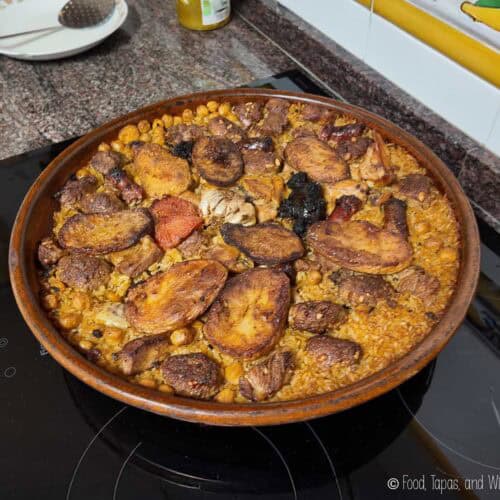
Arroz al horno (valencian baked rice)
Ingredients
For the broth
- 1 whole chicken leg thigh and drumstick
- 2 chicken wings
- 500 g pork ribs cut into pieces
- 1 carrot peeled
- 1 turnip peeled
- 1 small rutabaga peeled
- 1 parsnip peeled
- 1 medium potato for the broth
- 1 leek
- ½ onion
- ¼ head cabbage
- Water for making the broth
For the Rice
- 200 g pre-soaked chickpeas or about 100 g dried chickpeas, soaked overnight
- 350 g cabeza de lomo pork shoulder or pork neck, cut into bite-sized pieces
- 14 small meatballs about 250 g total, optional
- 3 pork sausages fresh longanizas cut into 3 pieces each
- 1 morcilla about 200 g, optional
- 2 medium potatoes sliced (for frying)
- 420 g short-grain rice such as bomba
- 1 whole head garlic
- 1 medium tomato cut into wedges
- 4 tablespoons olive oil
- 1 teaspoon sweet paprika
- 1 pinh saffron
- Salt to taste
- About 1 liter broth
Instructions
- Add the chicken, pork ribs, and enough water to cover to a large pot. Bring to a boil over high heat.
- Skim off the foam that forms on the surface until it mostly stops appearing.
- Add the carrot, parsnip, turnip, rutabaga, potato, leek, cabbage, onion, chickpeas, saffron, and salt. Close the pressure cooker and cook for 20 to 30 minutes.
- Allow the pressure to release naturally. Remove the vegetables from the broth, leaving the meat and chickpeas in the pot. Taste the broth and adjust the salt if needed.
- Slice the potatoes, cut the tomato into wedges, and leave the garlic head whole.
- Heat the olive oil in a large skillet. Lightly fry the sliced potatoes, garlic, and tomato until lightly browned. Remove and set aside.
- In the same skillet, lightly brown the meatballs, cabeza de lomo, longanizas, and morcilla.
- Leave a few pieces of pork in the skillet. Add the rice and paprika and cook for 2 to 3 minutes, stirring constantly to lightly toast the rice.
- Preheat the oven to 240°C (465°F).
- Transfer the rice and pork mixture to a large clay baking dish or another oven-safe baking dish.
- Pour about 1 liter of broth over the rice, including the meat and chickpeas from the pot. Stir gently to distribute everything evenly.
- Arrange the chicken, pork ribs, longanizas, morcilla, meatballs, potatoes, tomato wedges, and the whole head of garlic over the rice.
- Bake for 20 to 30 minutes, or until the broth has been absorbed and the top is lightly golden.
- Let the arroz al horno rest for 5 to 10 minutes before serving.
Notes
- Every family in Valencia has its own version of arroz al horno, so ingredients and quantities vary from home to home.
- This recipe is based on the way my grandmother has made it for years.
- Some families also add panceta (pork belly), pig’s feet, or other cuts of pork. My grandmother changes the meats depending on what she has available.
- The vegetables are only used to flavor the broth. Remove them before assembling the dish and serve them separately or save them for another meal.
- Taste the broth before adding it to the rice. If the broth isn’t well seasoned, the finished dish won’t be either.
- Lightly frying the meat, potatoes, garlic, and tomato before baking adds extra flavor.
- Toasting the rice with paprika before assembling the dish adds another layer of flavor.
- Do not stir the rice once it goes into the oven. This helps create the traditional slightly crispy top.
- A clay baking dish gives the most authentic results, but any oven-safe ceramic baking dish will work.
- Let the arroz al horno rest for 5 to 10 minutes before serving.